

Sustainability · 2025
In this section53 topics
- Sustainability Policy3 items
- Sustainability Goals & UN SDGs3 items
- Policy Review3 items
- Business Value Chain1 item
- Stakeholder Analysis1 item
- Environmental Policy & Guidelines3 items
- Environmental Policy Review3 items
- Energy — Plan & Guidelines2 items
- Energy — Electricity Consumption1 item
- Energy — Fuel Consumption1 item
- Energy — Targets2 items
- Energy — Performance & Outcomes2 items
- Water — Plan & Guidelines2 items
- Water — Withdrawal, Discharge & Consumption1 item
- Water — Targets2 items
- Water — Performance & Outcomes2 items
- Waste — Plan & Guidelines2 items
- Waste — Generation, Disposal & Recycling1 item
- Waste — Targets2 items
- Waste — Performance & Outcomes2 items
- GHG — Plan & Guidelines2 items
- GHG — Emissions1 item
- GHG — Emissions Verification1 item
- GHG — Principles & Standards1 item
- GHG — Targets1 item
- GHG Targets — Net Zero1 item
- GHG Targets — Carbon Neutrality1 item
- GHG Targets — Other Targets1 item
- GHG — Performance & Outcomes2 items
- Environmental Legal Incidents1 item
- Other Environmental Management1 item
- Social Policy & Guidelines3 items
- Social Policy Review3 items
- Social — Principles & Standards Practised1 item
- Human Rights Due Diligence3 items
- Employees — Plan & Guidelines3 items
- Employees — Workforce1 item
- Employees — Remuneration & Provident Fund2 items
- Employees — Training & Development1 item
- Employees — Occupational Health & Safety2 items
- Employees — Labour Relations2 items
- Employees — Employee Representation3 items
- Employees — Targets2 items
- Employees — Performance & Outcomes2 items
- Customers — Plan & Guidelines3 items
- Customers — Satisfaction Results1 item
- Customers — Targets2 items
- Customers — Performance & Outcomes2 items
- Community & Social — Plan & Guidelines3 items
- Community & Social — Targets2 items
- Community & Social — Performance & Outcomes2 items
- Other Social Management1 item
- Law Violation Incidents1 item
Sustainability Policy
Has a Sustainability Policy
Yes
Policy Description
The Group is committed to conducting business in accordance with sustainable development guidelines that align with social responsibility principles by fostering participation. Building trust and value for stakeholders: Committed to clearly managing key sustainability issues across three dimensions: environmental, social, and economic. This includes focusing on risk management, adapting to changes, and seeking appropriate business opportunities. This policy has been disseminated for implementation throughout the Company and across the entire supply chain through various channels. All executives and employees are responsible for supporting, promoting, integrating across the Company, and complying with the policy to drive the Company towards excellent and transparent operations, effectively responding to changes, and adhering to international standards and practices, while maintaining a balance in environmental, social, and good corporate governance aspects. The Company reviews its sustainability management policy annually, considering situations, trends, changing directions, and various internal and external sustainability factors, as well as relevant requirements and standards, while taking into account all stakeholders, to support the Company in achieving its vision, direction, strategies, and goals efficiently, as well as responding to the Sustainable Development Goals (SDGs).
Under the guidance of the Risk and Sustainability Management Working Group, it serves as a crucial mechanism for overseeing the Company's sustainability development to ensure serious and effective implementation. The operational guidelines based on the strategic and sustainability framework can be summarized as follows:
Measure and evaluate the Company's sustainability performance and effectiveness to determine approaches for improving business processes, enabling the integration of international sustainability practices throughout the organization's value chain and supply chain.
Instilling concepts, knowledge, understanding, and raising awareness of sustainable business practices through various channels to executives and employees at all levels, to foster awareness and participation throughout the organization.
Policy Document Link
https://www.tpbigroup.com/sustainable-development/tpbi-and-sustainability
Sustainability Goals & UN SDGs
Has Sustainability Goals
Yes
Goals Description
The journey to Circular Economy way with Net zero
Lay Fundamentals (2021-2025) | Implement and expand (2026-2030) | Achieve target (2031-2050) |
Goals -Obtain Carbon Footprint Organization (CFO) certification. -Obtain Carbon Footprint Product (CFP) certification. -Obtain the following certifications: CEMS / GRS / ISCC -Reduce carbon emissions by 30% of the production process by 2025 (compared to 2021). -Have Green Products / accounting for 30% of our portfolio by 2025. (compared to 2021) | Goals -Utilize at least 35% renewable energy of total consumption by 2030. -Increase Green Procurement by 50% (compared to 2021) by 2035. -Reduce GHG emissions by 28% (compared to 2021). | Net Zero By 2050
|
Activities : Establish baseline data to monitor GHG emissions. : Provide training on processes and systems adopted for eco-friendly products. : Collaborate with partners and customers to develop eco-friendly products. | Activities : Increase sales of Green Products. / : Implement Green Projects such as electric vehicles, renewable energy, etc. : Logistics management to reduce resource consumption and increase eco-friendly transportation. : Increase the use of recyclable raw materials. |
/ Green Products: Upcycling products/Renewable products (using renewable materials >25%)/ Compostable/ Recycled products (PCR contents >5%) /PCR resins/FSC Papers
UN Sustainable Development Goals
| SDG Goal |
|---|
| Goal 3 Good Health and Well-being |
| Goal 4 Quality Education |
| Goal 5 Gender Equality |
| Goal 6 Clean Water and Sanitation |
| Goal 7 Affordable and Clean Energy |
| Goal 8 Decent Work and Economic Growth |
| Goal 9 Industry, Innovation and Infrastructure |
| Goal 11 Sustainable Cities and Communities |
| Goal 12 Responsible Consumption and Production |
| Goal 13 Climate Action |
| Goal 14 Life below Water |
| Goal 15 Life on Land |
| Goal 16 Peace, Justice and Strong Institutions |
| Goal 17 Partnerships for the Goals |
Policy Review
Policy Reviewed This Year
Yes
Policy Changed This Year
Yes
Review Details
In 2025, the Company reviewed and updated its sustainability strategy to align with international standards and national goals, with the following significant changes:
New Materiality Assessment
The Company has conducted a new Materiality Assessment using a Double Materiality approach that covers both internal and external impacts, through a process involving all stakeholder groups, to identify sustainability issues that truly reflect the expectations and needs of stakeholders and align with the current business context.
Adjustment of Net Zero Target
The Company has revised its Net Zero target from the previously set year of 2065 to 2050, to align with Thailand's national goals and global targets under the Paris Agreement. This will accelerate concrete actions in greenhouse gas reduction and the transition to clean energy.
Progress of the Long-Term Plan (2021-2025)
The Company has implemented its long-term sustainability strategic plan, established in 2021. By 2025, the final year of the plan, the Company has achieved its set targets as follows:
Financial Growth Performance (Profit)
The Company set a strategic goal for net profit growth to be double the sales growth rate by 2025 (compared to the 2021 baseline) and has successfully achieved this goal every year over the past five years. This success is a result of systematically restructuring the customer and product portfolio, focusing on developing relationships with high-potential customer groups, increasing the proportion of environmentally friendly products, and responsibly managing the supply chain in both social and environmental dimensions. This was achieved by selecting partners with sustainability standards, promoting adherence to human rights and labor rights principles, and monitoring environmental impacts throughout the supply chain. This achievement reflects the Company's ability to generate good returns for shareholders while conducting business responsibly towards society and the environment.
Planet Performance
1. Environmental Products (Green Product)
The Company has set a target for environmental products to account for 30% of its total portfolio by 2025. Over the past five years, the Company has continuously expanded its green portfolio from 17% in 2021 to 23% in 2025, demonstrating stable growth and Commitment to developing eco-friendly packaging innovations
Although in 2025, market conditions presented challenges due to price competition and the global economic situation, leading to slower-than-anticipated growth in demand for environmental products, the Company still sees opportunities to accelerate the expansion of its green product market share in the next phase. This will be achieved by increasing production efficiency to enhance price competitiveness, developing innovative products that meet the specific needs of each market, and forming strategic partnerships with customers to jointly drive the use of sustainable packaging. The Company is confident that it will achieve its set goals in the near future.
2. Reduction of Greenhouse Gas Emissions in Production Processes (Decarbonization)
The Company has set a target for production processes to reduce greenhouse gas emissions by 30% by 2025 (compared to the 2021 baseline) throughout the period. Over time, the Company has continuously reduced greenhouse gas emissions, starting at 4% in 2022 and achieving a maximum reduction of 31% in 2023, exceeding the set target.Although in 2025, performance decreased slightly to 26%, it remained close to the target despite facing challenges. Due to the maintenance of the cooling system (Chiller), which significantly impacts Scope 1 greenhouse gas emissions, the Company has already addressed the issue and has a plan to improve the preventive maintenance system to prevent recurrence in the future. Operations at this level remains consistent with the Company's long-term Net Zero target set for 2050, for which the Company has established guidelines and has confidence that the long-term goals will be achieved as scheduled.
In 2026, the Company will take the next step in reducing greenhouse gas emissions by installing a solar power generation system (Solar Cell) additionally, which will increase the proportion of renewable energy use and reduce reliance on fossil fuels. This marks a significant step in accelerating the Concrete transition to carbon neutralityPeople Performance
Developing potential and building a team to drive sustainable growth
The Company recognizes that personnel are crucial to driving the organization towards sustainability, and has therefore committed to developing potential and building a talent pool a strong foundation to support long-term growth. The Company has developed essential skills and knowledge for the future among its employees, creating a positive work environment and promoting diversity; developing fair compensation and welfare systems; fostering an organisational culture that emphasises sustainability and employee well-being; and establishing clear succession plans and career advancement paths.
Business Value Chain
Value Chain Description
The company prioritizes and considers stakeholders, as well as managing the sustainability of activities in the company's value chain. We are committed to meeting the needs and expectations of all stakeholder groups to create a balance between value and worth from business operations for stakeholders. These factors are essential for the company's sustainable growth.
Primary Activities
1) Production Factors Management
The company prioritizes the use of high-quality and environmentally friendly raw materials from both domestic and international partners. We conduct research, development, and design to create product innovations that meet customer needs. We have a systematic management and planning system for the use and procurement of raw materials to achieve cost-effectiveness, impacting prices and market competitiveness.
2) Operations
The company has continuously improved the efficiency of its machinery and factories. Currently, the factory can operate efficiently and has good safety and pollution control systems. In addition, the company prioritizes and ensures that executives and employees have the skills, knowledge, and work experience. We provide continuous training to executives and employees to improve production efficiency, which will reduce waste and environmental impacts from the production process. We have a quality control system that meets standards, laboratory analysis, and various international standard certifications.
3) Distribution, Service, and Export
The company has a systematic distribution system and uses experienced and skilled transportation providers. The company also places great importance on delivering products to customers on time and takes responsibility when goods are damaged.
4) Marketing and Sales
The group of companies places great importance on the quality of service. We focus on responding to customer needs quickly and efficiently within 48 hours of being contacted. We have a sales and marketing team that coordinates, communicates, and provides information about the use of products and services correctly and thoroughly. We respond to customers on various matters effectively and have fair and reasonable pricing.
5) After-Sales Service
The company provides customer satisfaction assessments and complaint channels, such as the company's website and email, to receive feedback or suggestions about products. We have a systematic process to ensure that complaints are addressed and improved effectively.
Support Activities
Critical processes for sustainable development in all aspects. The development of infrastructure and various facilities, such as accounting software systems and warehouse management systems. Activities that support the primary activities to achieve their goals are as important as the primary activities. The company conducts its operations carefully and adheres to appropriate management standards. This includes procurement, which focuses on quality raw materials at reasonable prices, research and development of environmentally friendly innovations, and human resource management, which is a crucial process for sustainable development in all aspects.
Stakeholder Analysis
Stakeholder Analysis
| Stakeholder Type | Stakeholders | Stakeholder Expectations | Response to Expectations | Communication Activities |
|---|---|---|---|---|
| Internal stakeholders | 2921 · Description: Employees | - Understand the needs of employees and provide facilities to ensure their well-being and job satisfaction, including promoting continuous skill development and potential enhancement.
- Communicate the overall direction and disclose operational information in various aspects to keep employees informed about the company's business movements.
- Provide fair compensation and benefits, a suitable work environment, occupational health care, and safety measures. | - Support employees to learn new trends and topics continuously to develop their potential.
- Establish channels for employees to directly submit feedback, complaints, and expectations to management.
- Organize Town Hall meetings for management to meet with employees.
- Ensure occupational safety and health.
- Provide comprehensive compensation and benefits to employees.
- Implement a system that facilitates employee access to necessary information.
- Conduct 360-degree evaluations to ensure fairness and comprehensiveness in annual bonus and salary adjustments. | 2941 · Description: Online Communication · 2942 · Description: Internal Meeting · 2945 · Description: Complaint Reception · 2946 · Description: Employee Engagement Survey · 2948 · Description: Training / Seminar |
| External stakeholders | 2894 · Description: Creditor · 2904 · Description: Investors or investment institutions · 2913 · Description: Shareholders · 2925 · Description: Financial institution · 2932 · Description: Joint venture partners | - Disclosure of material information to keep stakeholders informed of the company's performance.
- Transparent and accountable corporate governance with a focus on social and environmental responsibility.
- Enhancing business competitiveness and strategic direction.
- Comprehensive risk management addressing both short-term and long-term challenges. | - Collaborate with relevant agencies and other companies to enhance operational efficiency.
- Analyze, monitor, and prepare risk management measures for both short-term organizational risks and emerging risks that may arise in the next 3-5 years.
- Provide transparent information in accordance with national and international standards.
- Allow shareholders to directly submit feedback and complaints to the company.
- Regularly communicate news and information to shareholders through the company's website. | 2938 · Description: Visit · 2939 · Description: Press Release · 2941 · Description: Online Communication · 2943 · Description: External Meeting · 2944 · Description: Annual General Meeting (AGM) · 2945 · Description: Complaint Reception |
| External stakeholders | 2926 · Description: Educational institution or academic agency · 2927 · Description: Research institutes · 2933 · Description: Non-profit organization / NGOs · 2935 · Description: Independent entities | - Disclose complete and transparent information.
- Seek opportunities to collaborate, promote, and drive sustainability-related issues.
- Raise awareness and understanding among the public on important issues related to sustainable development.
- Disclose company information and performance accurately and in a timely manner. | - Listen to feedback and suggestions for improving the company's operations.
- Participate in projects that promote social sustainability.
- Communicate and disclose complete, accurate, and up-to-date information about the company's operations. | 2940 · Description: Social Event · 2941 · Description: Online Communication · 2948 · Description: Training / Seminar |
| External stakeholders | 2902 · Description: Community · 2928 · Description: Society | - Respect community rights and collaborate in preserving the community environment.
- Enhance the quality of life and promote the well-being of the community and society.
- Disclose company information and performance accurately and promptly.
- Possess knowledge and understanding of the company's businesses, such as
the plastic recycling project "Won." | - Conduct community visits to listen to opinions, suggestions, inquiries, and needs of the community.
- Act as a thought partner and provide advice and consultation to support and develop the community in various aspects by utilizing the company's potential.
- Conduct business with caution and prudence to prevent potential impacts on the community, society, and the environment.
- Communicate and disclose information regarding the company's operations completely, accurately, and promptly, keeping up with events, as well as listening to feedback and complaints from the community and society.
- Organize workshops to provide knowledge and understanding about plastic recycling, including information related to the company's business. | 2940 · Description: Social Event · 2941 · Description: Online Communication · 2945 · Description: Complaint Reception · 2947 · Description: Satisfaction Survey |
| External stakeholders | 2923 · Description: Customers | - Responsive to customer needs in various aspects, including product development to meet customer requirements.
- Providing various channels for customers to provide feedback on products and services, clarify consultation procedures, problem-solving methods, and complaint handling. | - Receive complaints/suggestions/feedback from customers through various channels.
- Conduct customer satisfaction surveys to continuously improve and enhance operations.
- Provide consultation to customers on suitable designs and formats for their products, advise on product trends, and current and future technologies.
- Collaborate with customers on product development.
- Manufacture and deliver products that meet customer requirements. | 2938 · Description: Visit · 2941 · Description: Online Communication · 2943 · Description: External Meeting · 2945 · Description: Complaint Reception · 2947 · Description: Satisfaction Survey |
| External stakeholders | 2931 · Description: Government agencies and Regulators | - Serve as a role model for other companies in terms of transparent, fair, auditable, and excellent governance.
- Collaborate with government agencies and present best practices to achieve sustainable development. | - Provide feedback and suggestions on regulations and various practices.
- Foster collaboration and share best practices for dissemination by government agencies and regulators.
- Ensure comprehensive, accurate, and timely communication and disclosure of the company's operational performance, as well as actively listen to feedback and complaints from government agencies and regulators.
- Establish a dedicated unit responsible for coordinating with government agencies and regulators effectively.
- Strictly comply with relevant laws and regulations.
- Monitor information and news from various channels related to government agencies and regulators to inform the company's direction and operational plans. | 2940 · Description: Social Event · 2941 · Description: Online Communication · 2943 · Description: External Meeting · 2944 · Description: Annual General Meeting (AGM) · 2945 · Description: Complaint Reception · 2948 · Description: Training / Seminar |
| External stakeholders | 2899 · Description: Suppliers · 2900 · Description: Business partners | - Create value and benefits for the operations of partners and businesses.
- Support and enhance the operations of partners and businesses.
- Develop knowledge, resulting in maximum work efficiency.
- Take care of the environment and safety in the workplace for partners and businesses.
- Support partners and businesses to have the knowledge, understanding, and skills to work safely.
- Operate with honesty, transparency, and fairness to receive high-quality goods and services at fair prices, as well as increase business competitiveness and future business directions. | - **Knowledge Support:** Implementing operations that consider Environmental, Social, and Governance (ESG) factors to enhance the operations of partners and business associates. This includes taking actions to mitigate operational and reputational risks.
- **Knowledge Sharing:** Sharing knowledge and new approaches that may impact the operations of partners and business associates.
- **Cultivating Awareness:** Raising awareness and transforming work behaviors to foster a culture of safety.
- **Code of Conduct:** Establishing a code of conduct for business dealings with partners and business associates. This includes enhancing their capabilities through initiatives such as environmental and social assessments, and promoting good governance practices.
- **Support Unit:** Establishing a dedicated unit responsible for providing recommendations, advice, and handling complaints.
- **Quality and Innovation:** Maintaining product and service quality, improving production efficiency, and jointly developing new products and services.
- **Operational Excellence:** Conducting business efficiently and in accordance with standards and expectations. | 2938 · Description: Visit · 2941 · Description: Online Communication · 2943 · Description: External Meeting · 2945 · Description: Complaint Reception · 2947 · Description: Satisfaction Survey · 2948 · Description: Training / Seminar |
Environmental Policy & Guidelines
Has an Environmental Policy
Yes
Policy Description
As a manufacturer of plastic and other packaging products, the Company is committed to environmental conservation responsibility, including continuous review and improvement of environmental operations, and revision of practices to align with current Company operations, as outlined in the Environmental Policy below:
“Green Factory for a Better Environment for the Community and Stakeholders”
• Environmental care in the workplace is the responsibility of all personnel.
• Support various resources for improving energy conservation efforts and reducing waste generated from production processes to achieve targets.
• Control the quality of wastewater, noise, and air discharged outside the Company to meet specified standards, and manage waste and refuse in accordance with legal requirements to prevent adverse impacts on surrounding communities and the Company's stakeholders.
• Communicate and disseminate environmental operational information and policies to the community, including stakeholders throughout the supply chain.
• Focus on instilling environmental awareness among personnel at all levels.
• Committed to carrying out activities, providing consultation, and ensuring the participation of workers, including worker representatives.
Practices covering all dimensions of systematic environmental management include:
Electrical Energy Management The Company enhances energy efficiency through close monitoring, regular machinery maintenance, and the application of AI technology in managing compressed air systems to continuously reduce electricity consumption per unit of production.
Oil and Fuel Management The Company efficiently controls oil and fuel consumption and is gradually transitioning its vehicles to electric, including forklifts, executive cars, and employee vehicles, to reduce greenhouse gas emissions and support the transition to clean energy.
Renewable/Clean Energy Management The Company promotes the use of renewable energy through rooftop solar systems, which by 2025 will generate 9.8% of total electricity consumption, with plans for further expansion in 2026.
Water Resource and Water Quality Management The Company manages water sustainably through maintenance of water supply systems, adjustment of flow rates, efficient wastewater management, and raising employee awareness for water conservation. By 2025, a significant reduction in water consumption per ton of production was achieved.
Waste Management The Company reduces waste at the source by switching printing ink to water-based and reducing ink tray sizes. Waste generated from production processes is legally disposed of; non-hazardous waste is recycled, while hazardous waste is reported to the Department of Industrial Works before each transport and disposal.
Biodiversity Management The Company conducts risk assessments based on factory locations. The assessment results indicate low risk, but the Company maintains thorough preparations and preventive measures, while also supporting ecosystem conservation through various community activities.
Greenhouse Gas and Climate Change Management The Company aims for Net Zero by 2050, with plans to measure and report greenhouse gas emissions according to ISO 14064-1 standards. By 2025, greenhouse gas emissions from production processes (Scope 1+2) were reduced by 26% from the 2021 baseline.
Air Quality Management The Company strictly controls air quality from both exhaust stacks and in the workplace, with efficient air extraction and filtration systems, and regular monitoring to ensure pollutant levels are within standard limits.
Noise Pollution Management The Company controls noise levels in the workplace to meet standard criteria, conducts regular measurements, and provides standard hearing protection equipment to employees.
International Standard Certification The Company has been certified with ISO 14001 for environmental management systems since 2008 and ISO 45001 for occupational health and safety management systems, covering 100% of its production facility area. It also plans to upgrade its greenhouse gas measurement and reporting to ISO 14064-1 standards, demonstrating its systematic and continuous commitment to environmental and safety management. This certification reflects a commitment to systematic environmental management based on the PDCA (Plan-Do-Check-Act) principles, as follows:
Plan: Establish environmental policies, objectives, and targets, identify key environmental issues, and plan for their management.
Do: Implement the planned actions, allocate resources, define roles and responsibilities, and provide employee training.
Check: Monitor and measure operational performance, audit compliance with laws and regulations, and prepare performance reports.
Act: Review operational performance, analyze problems, and implement continuous improvements.
This system enables the Company to manage environmental aspects efficiently, reduce risks, and continuously develop and improve.
In addition, the Company has been certified with "Green Industry Level 4" Under the concept of "Committed to green industry for balanced and sustainable development" Reflects the Company's role as an organization truly responsible for the environment, employee health and safety, and society.
Environmental Guidelines
| Guideline |
|---|
| Electricity Management |
| Fuel Management |
| Renewable/Clean Energy Management |
| Water Management |
| Waste Management |
| Biodiversity Management |
| Greenhouse Gas and Climate Change Management |
| Air Quality Management |
| Noise Pollution Management |
Environmental Policy Review
Policy Reviewed This Year
Yes
Review Details
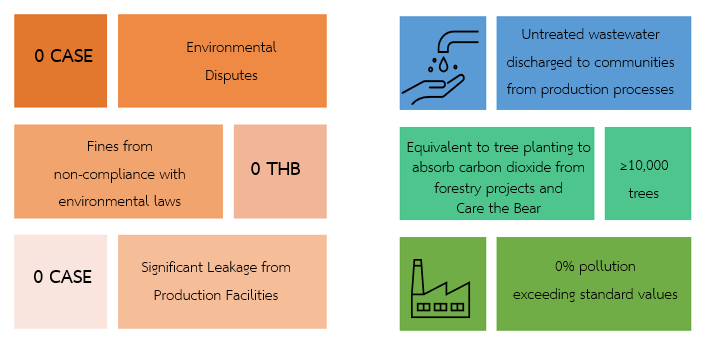
The Company monitors and measures various environmental aspects quarterly, including water quality analysis, light intensity, sound levels, heat, and air quality. This ensures the Company possesses environmental data and can promptly improve or resolve potential issues arising from operational processes. Furthermore, the Company has established objectives and provides employee training on reducing waste from production processes to significantly minimize waste that could impact the environment. To date, the Company has not been subject to any lawsuits or complaints from nearby communities concerning environmental problems.
Policies & Guidelines Changed
| Change |
|---|
| Electricity Management |
| Fuel Management |
| Renewable/Clean Energy Management |
| Water Management |
| Waste Management |
| Biodiversity Management |
| Greenhouse Gas and Climate Change Management |
| Air Quality Management |
| Noise Pollution Management |
Energy — Plan & Guidelines
Has an Energy Management Plan
Yes
Plan Description
Energy Conservation Policy
The Company has established an energy conservation policy to serve as a guideline for energy operations and to promote maximum efficiency and benefit in energy utilization.
• Economical and valuable energy use by fostering values and awareness in energy consumption.
• Valuing energy use requires planning and controlling its utilization with maximum efficiency and benefit. Energy loss must be reduced at every step, involving continuous inspection and monitoring of electrical appliance usage to minimize energy leakage.
• Utilizing renewable energy, especially natural energy sources such as solar power, wind power, hydropower, and others.
• Selecting high-efficiency tools and equipment, such as Energy Star-rated appliances and energy-saving slim fluorescent lamps.
• Enhancing fuel efficiency, for instance, by modifying the structure to enable fuel to generate more energy.
• Reusing materials by repairing and reusing damaged items, reducing unnecessary waste, or recycling for new production.
In addition to energy conservation, the Company also encourages employees to utilize resources, including water and chemicals, efficiently and in line with targets. The organization continuously reviews and improves the efficiency of its resource utilization to align with the scale of the business's resource consumption. Furthermore, waste is managed efficiently, with efforts made to maximize the beneficial use of waste.
The Company prioritizes energy management. Measures and operational plans have been established, with an energy management working group formed, comprising representatives from various departments, to collaboratively coordinate and develop energy conservation within the Company to achieve the stated objectives and policies through various projects and measures, by campaigning and promoting energy saving both directly and indirectly.
Energy — Electricity Consumption
Electricity Consumption
| Metric | Current Year | Previous Year | Two Years Ago |
|---|---|---|---|
| Total electricity consumption within the organization (Kilowatt-Hours) | 36,491,183 | 41,362,113 | 35,835,953 |
| Electricity purchased for consumption from non-renewable energy sources (Kilowatt-Hours) | 32,927,288 | 37,562,640 | 32,112,840 |
| Electricity purchased or generated for consumption from renewable energy sources (Kilowatt-Hours) | 3,563,895 | 3,799,473 | 3,723,113 |
Energy — Fuel Consumption
Fuel Consumption
| Metric | Current Year | Previous Year | Two Years Ago |
|---|---|---|---|
| Crude oil (Barrels) | |||
| Coal (Metric tonnes) | |||
| Jet fuel (Litres) | |||
| Diesel (Litres) | 26,428.7 | 29,889.35 | 39,183.68 |
| Gasoline (Litres) | 4,341.23 | 4,354.12 | 5,575.4 |
| Fuel oil (Litres) | |||
| Natural gas (Standard cubic feet) | |||
| LPG (Kilograms) | 7,305 | 7,710 | 8,265 |
| Steam (Metric tonnes) |
Energy — Targets
Has Set Targets
Yes
Targets
| Target | Base Year | Base Year Value | Target Year | Target Change (%) | Unit |
|---|---|---|---|---|---|
| Reduction of electricity purchased for consumption | 2,024 | 37,562,640 | 2,025 | 5 | Kilowatt-hour |
Energy — Performance & Outcomes
Has Performance Results
Yes
Performance Description
Overall Company Electricity Consumption
In 2025, the Company's total electricity consumption was 36,491,183 kilowatt-hours A decrease of 11.8 percent from 2024, divided into:
Purchased electricity: 32,927,288 kilowatt-hours (90.2 percent)
Electricity from Renewable Energy (Solar Rooftop): 3,563,895 kilowatt-hours (9.8 percent)
Sam Phran Office and Factory
The Sam Phran office and factory are smaller than the Rayong factory, comprising both office and production facilities with limited production capacity, accounting for 26.1 percent of the Company's total electricity consumption.
In 2025, the Sam Phran office and factory consumed a total of 9,519,382 kilowatt-hours of electricity, comprising 9,317,688 kilowatt-hours of purchased electricity and 201,694 kilowatt-hours of electricity from renewable energy (Solar Rooftop).
The Company has established a working group to closely monitor electricity consumption, promote energy conservation, and regularly maintain machinery to ensure optimal production efficiency.
The Sam Phran factory generated 201,694 kilowatt-hours of electricity from solar rooftops, exceeding the set target of 180,000 kilowatt-hours, or 112 percent of the target.
Additionally, the Company has undertaken a project to install additional solar rooftop cells at the Sam Phran factory, which is expected to be completed in Q4 2026. This will increase the proportion of renewable energy usage, aligning with the Company's sustainability goals to reduce greenhouse gas emissions.
Rayong Office and Factory
The Rayong factory is the main factory with high production capacity, accounting for 73.9 percent of the Company's total electricity consumption.
In 2025, the Rayong factory consumed a total of 26,971,801 kilowatt-hours of electricity, comprising 23,609,600 kilowatt-hours of purchased electricity and 3,362,201 kilowatt-hours of electricity from renewable energy (Solar Rooftop). Electricity consumption decreased by 13.0 percent from the previous year, reflecting a commitment to efficient energy management.
The Rayong factory significantly reduced electricity consumption per ton of production, from 708 kilowatt-hours per ton of output in 2024 to just 589.72 kilowatt-hours per ton of output in 2025, representing a 16.7 percent reduction, which is more than three times the set target of 5 percent.
Key Measures and Innovations
1. Use of Renewable Energy from Solar Rooftops
The Rayong factory generated 3,362,201 kilowatt-hours of electricity from solar rooftops, representing 12.5 percent of the total electricity consumption. This exceeded the previous year's target of 79 percent, achieving 93.8 percent, demonstrating the efficiency of solar panel maintenance and continuous renewable energy management. This reflects the Company's commitment to promoting clean energy use and reducing greenhouse gas emissions.
2. Innovation in Artificial Intelligence (AI) for Energy Efficiency
The Company has implemented AI technology for managing its compressed air system through the SIGMA AIR MANAGER (SAM 4.0) system. This system collects real-time energy consumption data, analyzes historical usage patterns, and forecasts future energy demands. Subsequently, the AI calculates and controls the operation of air compressors and related equipment to optimize electricity usage, reducing unnecessary operation and energy waste. The use of AI enables the system to automatically adjust operations based on actual usage, replacing traditional constant pressure control. This results in higher electricity efficiency, continuous reduction in energy costs, and a decrease in carbon dioxide emissions, alongside sustainable business operations.
3. Energy Management Measures
Furthermore, the factory has implemented measures to reduce electricity consumption through regular machinery upgrades and maintenance, close monitoring of electricity usage, and campaigns promoting energy conservation in essential areas.
Water — Plan & Guidelines
Has a Water Management Plan
Yes
Plan Description
Although the Company does not use water as a primary raw material in its production process, it recognizes the importance of water resources and has a plan for controlling and managing water usage relative to production tonnage, in order to manage costs and conserve the environment for a sustainable future.
The Company implements the following methods:
1. Instilling awareness among all employees within the organization regarding the value of economical and efficient water usage, through annual environmental training.
2. Establishing an energy conservation working group to develop saving measures directly initiated by employees.
3. Organizing a water-saving measures competition within the organization to promote participation and foster new ideas.
3. Organizing Energy Conservation Day activities that integrate knowledge and fun to engage employees at all levels.
4. Campaigning for water conservation among employees through various communication channels, such as emails and public announcement boards at various points, especially where there are water taps and water-using equipment.
5. Regular and close monitoring of water meters to detect leaks and address them promptly, preventing unnecessary water loss.
6. Encouraging all employees to participate in observing and reporting damaged water-related equipment for prompt maintenance and repair.
Through these measures, the Company is committed to continuously reducing water consumption and fostering a sustainable water conservation culture within the organization.
Water — Withdrawal, Discharge & Consumption
Water Withdrawal, Discharge & Consumption
| Metric | Current Year | Previous Year | Two Years Ago |
|---|---|---|---|
| Total water withdrawal (Cubic meters) | 77,608 | 80,333 | 83,970 |
| Total water withdrawal by third-party water (Cubic meters) | 77,608 | 80,333 | 83,970 |
| Total water withdrawal by surface water (Cubic meters) | |||
| Total water withdrawal by groundwater (Cubic meters) | |||
| Total water withdrawal by seawater (Cubic meters) | |||
| Total water withdrawal by produced water (Cubic meters) | |||
| Percentage of wastewater treated before discharge (%) | |||
| Total water discharge (Cubic meters) | |||
| Total water discharge to third-party water (Cubic meters) | |||
| Total water discharge to surface water (Cubic meters) | |||
| Total water discharge to groundwater (Cubic meters) | |||
| Total water discharge to seawater (Cubic meters) | |||
| Total water consumption (Cubic meters) | 77,608 | 80,333 | 83,970 |
| Recycled water (Cubic meters) | 0 |
Water — Targets
Has Set Targets
Yes
Targets
| Target | Base Year | Target Year | Target Change (%) | Unit | Per Unit (Intensity) | Per Unit — Please Specify |
|---|---|---|---|---|---|---|
| Reduction of water withdrawal | 2,024 | 2,025 | 5 | Cubic meters | Metric ton of product | Metric ton of product |
Water — Performance & Outcomes
Has Performance Results
Yes
Performance Description
Overall Water Consumption of the Company
In 2025, the Company's total water consumption was 77,608 cubic meters, a decrease of 3.4 percent from 2024, reflecting its commitment to sustainable water management.
Sam Phran Office and Factory
In 2025, the Sam Phran office and factory consumed a total of 25,661 cubic meters of water, a decrease of 9.6 percent from 2024. The Company set a target for water consumption per ton of production not exceeding 2024 levels (≤ 3.5 cubic meters per ton of output). Water consumption per ton of production was remarkably reduced from 3.5 cubic meters per ton of output in 2024 to only 2.4 cubic meters per ton of output in 2025, representing a significant reduction of 31.4 percent, exceeding the set target.
Water Management Measures
The Company has implemented comprehensive water management guidelines, comprising:
Maintenance and inspection of water supply systems to meet standards
Adjusting water flow rates at sinks and sanitary fixtures within buildings
Efficient wastewater management
Raising awareness among employees and personnel about the value of water and promoting its economical use
Public Relations and Media Dissemination for Water Conservation Campaigns
Rayong Office and Factory
In 2025, the Rayong office and factory consumed a total of 51,947 cubic meters of water. The Company set a target for water consumption per ton of production not exceeding 2024 levels (≤ 1.4 cubic meters per ton of output). Water consumption per ton of production was significantly reduced from 1.4 cubic meters per ton of output in 2024 to only 1.0 cubic meter per ton of output in 2025, representing a clear reduction of 28.6 percent, exceeding the set target.
Water Management Measures
The Company has undertaken various measures to reduce water consumption, as follows:
Regular inspection and maintenance of water-using equipment
Close monitoring of water consumption
Campaigns to promote water conservation in all departments
Waste — Plan & Guidelines
Has a Waste Management Plan
Yes
Plan Description
The Company manages waste, refuse, and pollution to mitigate negative environmental impacts, reduce waste disposal costs, and foster a culture of preserving and protecting natural resources throughout the business value chain. This includes implementing a waste segregation system, storage, and the development of operational processes to reduce waste volume and enhance its value by promoting its use as a raw material for other products or industries. When waste is generated, the Company will consider reusing the recyclable portions of that waste to maximize utilization, continuously reduce environmental impact, and serve as a guideline towards the ongoing goal of achieving zero production waste sent to landfills.
Waste — Generation, Disposal & Recycling
Waste Generation, Disposal & Recycling
| Metric | Current Year | Previous Year | Two Years Ago |
|---|---|---|---|
| Total waste generated (Kilograms) | 499,880.85 | 697,880.33 | 438,024 |
| Non-hazardous waste (Kilograms) | 390,367.7 | 560,691.45 | 306,513 |
| Non-hazardous waste - Landfilling (Kilograms) | |||
| Non-hazardous waste - Incineration (with energy recovery) (Kilograms) | |||
| Non-hazardous waste - Incineration (without energy recovery) (Kilograms) | |||
| Non-hazardous waste - Other disposal operations (Kilograms) | |||
| Hazardous waste (Kilograms) | 109,513.15 | 137,188.88 | 131,511 |
| Hazardous waste - Landfilling (Kilograms) | |||
| Hazardous waste - Incineration (with energy recovery) (Kilograms) | |||
| Hazardous waste - Incineration (without energy recovery) (Kilograms) | |||
| Hazardous waste - Other disposal operations (Kilograms) | |||
| Total reused/recycled waste (Kilograms) | 390,367.7 | 560,691.45 | 306,513 |
| Reused/Recycled non-hazardous waste (Kilograms) | 390,367.7 | 560,691.45 | 306,513 |
| Reused non-hazardous waste (Kilograms) | |||
| Recycled non-hazardous waste (Kilograms) | |||
| Reused/Recycled hazardous waste (Kilograms) | |||
| Reused hazardous waste (Kilograms) | |||
| Recycled hazardous waste (Kilograms) |
Waste — Targets
Has Set Targets
Yes
Targets
| Waste Type | Disposal Approach | Target | Base Year | Target Year | Target Change (%) | Unit |
|---|---|---|---|---|---|---|
| Non-hazardous waste | 2758 · Description: Reuse · 2759 · Description: Recycle | Reduce waste volume | 2,024 | 2,025 | 5 | Kilograms |
| Hazardous waste | 2761 · Description: Incineration with energy recovery · 2762 · Description: Incineration without energy recovery | Reduce waste volume | 2,024 | 2,025 | 5 | Kilograms |
Waste — Performance & Outcomes
Has Performance Results
Yes
Performance Description
Non-Hazardous Waste Management
The Company aims to reduce the volume of non-hazardous waste in the production process by at least 5 percent from the 2024 baseline.
Sam Phran Office and Factory
In 2025, the Sam Phran office and factory had a non-hazardous waste volume of 901.90 kilograms, a decrease from 1,244.62 kilograms in 2024, representing a 27.5 percent reduction, significantly exceeding the set target.
Rayong Office and Factory
In 2025, the Rayong office and factory had a non-hazardous waste volume of 360,801.80 kilograms, a slight increase from 359,447.00 kilograms in 2024, representing a 0.4 percent increase, which remains at a controllable level.
Overview of Non-Hazardous Waste
Overall for the entire Company, the volume of non-hazardous waste decreased from 560,692 kilograms (2024) to 361,704 kilograms (2025), representing a 35.5 percent reduction, attributed to the performance at the Sam Phran factory.
Non-Hazardous Waste Reduction Measures
The Company has overseen each department to reduce the volume of general or non-hazardous waste generated from internal activities, with regular monitoring and evaluation to ensure a continuous downward trend in general waste volume.
Non-Hazardous Waste Management
All non-hazardous waste was properly recycled in accordance with sustainable waste management principles to minimize environmental impact and promote a circular economy.
Hazardous Waste Management
The Company aims to reduce the volume of hazardous waste in the production process by at least 5 percent from the 2022 baseline.
Sam Phran Office and Factory
In 2025, the Sam Phran office and factory had a hazardous waste volume of 6,153.15 kilograms, a decrease from 7,118.88 kilograms in 2024, representing a 13.6 percent reduction.
Rayong Office and Factory
In 2025, the Rayong office and factory had a hazardous waste volume of 103,360.00 kilograms, a decrease from 130,070.00 kilograms in 2024, representing a 20.5 percent reduction, significantly exceeding the set target.
Overview of Hazardous Waste
Overall for the entire Company, the volume of hazardous waste decreased from 137,189 kilograms (2024) to 109,513 kilograms (2025), representing a 20.2 percent reduction, clearly exceeding the set target.
GHG — Plan & Guidelines
Has a GHG Management Plan
Yes
Plan Description
Management Policy for Greenhouse Gas Reduction
The Company recognizes the importance of managing to reduce greenhouse gas problems to jointly address climate change issues, as well as supporting and promoting greenhouse gas management for the benefit of the Company, society, and the environment, to transition the Company towards a low-carbon society, in line with international environmental agreements on climate change.
Greenhouse Gas Management
The Company prioritizes managing to reduce greenhouse gas problems and is committed to achieving its Net Zero target by 2050, in line with Thailand's national goals and global targets under the Paris Agreement.
Net Zero Target Adjustment
The Company has revised its Net Zero target from the previously set year of 2065 to 2050, to align with Thailand's national goals and global targets under the Paris Agreement. This will accelerate concrete actions in greenhouse gas reduction and the transition to clean energy.
Reducing greenhouse gas emissions in the production process.
The Company has set a target for its production process to reduce greenhouse gas emissions by 30% by 2025 (compared to the 2021 baseline). Throughout the past period, the Company has continuously implemented greenhouse gas reduction measures, starting with 4% in 2022 and achieving a peak of 31% in 2023, exceeding the set target. In 2025, performance improved to 26%, close to the target. The Company's direct greenhouse gas emissions (Scope 1) amounted to 1,061 tons of CO2 equivalent, and indirect greenhouse gas emissions (Scope 2) amounted to 16,461 tons of CO2 equivalent, totaling 17,522 tons of CO2 equivalent. This is a decrease from 2024, which had total greenhouse gas emissions of 19,221 tons of CO2 equivalent. Despite facing challenges from chiller maintenance affecting Scope 1 emissions, the company has addressed these issues and plans to improve its preventive maintenance system to avoid recurrence in the future. This level of performance remains consistent with the company's long-term Net Zero target set for 2050. The company is on track and confident in achieving its long-term goals as scheduled.
GHG — Emissions
GHG Emissions
| Metric | Current Year | Previous Year | Two Years Ago |
|---|---|---|---|
| Total GHG emissions (Metric tonnes of carbon dioxide equivalent) | 124,681 | 133,860 | 153,290 |
| Total greenhouse gas emissions 1 (Metric tonnes of carbon dioxide equivalent) | 1,061 | 456 | 319 |
| Total greenhouse gas emissions 2 (Metric tonnes of carbon dioxide equivalent) | 16,461 | 18,783 | 16,030 |
| Total greenhouse gas emissions 3 (Metric tonnes of carbon dioxide equivalent) | 107,159 | 114,621 | 136,941 |
GHG — Emissions Verification
Emissions Verified by a Third Party
No
GHG — Principles & Standards
Principles & Standards Applied
| Standard |
|---|
| 2671 |
GHG — Targets
Has Set GHG Targets
Yes
GHG Targets — Net Zero
Net Zero Targets
| Emission Scope | Base Year | Base Year Emissions | Near-term Target Year | Near-term Target Change (%) | Long-term Target Year | Long-term Target Change (%) | Target Year | Target Change (%) | Unit |
|---|---|---|---|---|---|---|---|---|---|
| 2715 | 2,021 | 23,555 | 2,025 | 30 | 2,050 | 90 | 2,025 | 30 | Metric tonnes of carbon dioxide equivalent |
GHG Targets — Carbon Neutrality
Carbon Neutrality Targets
| Emission Scope | Carbon Neutrality Certified | Base Year | Base Year Emissions | Target Year | Target Change (%) | Unit |
|---|---|---|---|---|---|---|
| 2716 | N | 2,021 | 209,522 | 2,050 | 90 | Metric tonnes of carbon dioxide equivalent |
GHG Targets — Other Targets
Other GHG Targets
| Emission Scope | Base Year | Base Year Emissions | Near-term Target Year | Near-term Target Value | Long-term Target Year | Long-term Target Change (%) | Target Year | Target Year Emissions | Unit | Per Unit (Intensity) | Per Unit — Please Specify |
|---|---|---|---|---|---|---|---|---|---|---|---|
| 2715 | 2,024 | 0.36 | 2,025 | 0.36 | 2,050 | 90 | 2,025 | 0.36 | Metric tonnes of carbon dioxide equivalent | Metric ton of product | Metric ton of product |
GHG — Performance & Outcomes
Has Performance Results
Yes
Performance Description
Operations in 2025
The Company has comprehensively and continuously managed greenhouse gases as follows:
Policy and Target Review The Company has reviewed its environmental management policy and greenhouse gas emission reduction targets, adjusted its Net Zero target to 2050, and developed operational strategies in line with the new target.
Production Process Development and Innovation The Company has implemented Artificial Intelligence (AI) technology through the SIGMA AIR MANAGER (SAM 4.0) system for compressed air system management, enhancing energy efficiency and reducing greenhouse gas emissions. Furthermore, printing inks have been switched from chemical-based to water-based to minimize environmental impact.
Use of Renewable Energy The Company generated a total of 3,563,895 kilowatt-hours of electricity from rooftop solar, accounting for 9.8 percent of total electricity consumption. Solar panels are regularly maintained to ensure production efficiency.
Energy Efficiency Improvement The Company regularly improves and maintains machinery, closely monitors electricity consumption, and promotes energy saving across all departments.
Behavioral Change Projects and Environmentally Friendly Activities The Company has initiated projects focused on behavioral changes in the office to reduce energy consumption, including waste reduction through minimizing use, reusing, recycling, reducing and eliminating hazardous chemicals, and promoting the procurement of environmentally friendly products and services (Green Procurement).
Product Carbon Footprint Assessment The Company has conducted Carbon Footprint of Product (CFP) assessments for 15 items to evaluate and reduce greenhouse gas emission impacts throughout the product lifecycle.
Future Plans
In 2026, the Company will advance its greenhouse gas reduction efforts by installing additional solar cell power generation systems at the Sam Phran factory, expected to be completed in March 2026. This will increase the proportion of renewable energy use, reduce reliance on fossil fuels, and further studies are underway to transition transportation vehicles to electric. This marks a significant step in accelerating the concrete transition towards carbon neutrality.
Furthermore, the Company plans to develop a preventive maintenance system for its chiller units to prevent refrigerant leaks and effectively reduce Scope 1 greenhouse gas emissions.
Certification and Verification
The Company has compiled greenhouse gas emission data in accordance with international standards. Data for 2021-2024 has been verified by SGS (Thailand) Limited, a verifier registered with the Thailand Greenhouse Gas Management Organization (TGO), and certified by TGO. For 2025 data, the Company is currently preparing it according to standards. ISO 14064-1 by TUV Rheinland (Thailand) Limited, expected to be completed by mid-2026. Adherence to ISO 14064-1 standards will enhance the reliability and transparency of the Company's greenhouse gas management, aligning with international standards.
Environmental Legal Incidents
Legal Violation Incidents
| Metric | Current Year | Previous Year | Two Years Ago |
|---|---|---|---|
| Number of cases or incidents of legal violations or negative environmental impact (cases) | 0 | 0 | 0 |
Other Environmental Management
Plan Description
Air Quality Management
The Company places importance on systematically controlling and managing air quality from production processes. In 2025, the Company has set a target that the amount of pollutants discharged from its facilities must not exceed legally prescribed limits.
Air Quality Monitoring and Control
The Company regularly monitors air quality in its operational areas through certified agencies. Measurement results in 2025 indicate that air quality standards are within legally prescribed limits. There were no incidents of chemical leaks from business operations, and the Company had no issues of violating environmental laws or regulations throughout the year.
Air quality from exhaust stacks
The Company monitors air quality from exhaust stacks in all production processes at both factories. Measurement results show that:
Sam Phran Factory: Total Suspended Particulates (TSP) are in the range of 0.1-0.4 mg/m 3 which is below the specified standard of 400 mg/m 3 significantly, and no carbon monoxide gas exceeding the standard was found.
Rayong Factory: Total Suspended Particulates (TSP) are in the range of 1.3-8.9 mg/m 3 which is below the specified standard of 400 mg/m 3 significantly. Carbon monoxide gas was <1.0 ppm, which is below the standard of 870 ppm, and xylene was <0.19 ppm, below the standard of 200 ppm.
All measurement results comply with the Ministry of Industry Notification B.E. 2549 (2006) regarding the determination of the quantity of pollutants in air discharged from factories.
Workplace Air Quality
The Company prioritizes employee health by comprehensively monitoring air quality in the workplace. All measurement results comply with the standards set by the Notification of the Department of Labor Protection and Welfare B.E. 2560 (2017) regarding the concentration limits of hazardous chemicals, covering both total and respirable dust, various volatile chemicals, including isocyanate group substances and iron dust.
Production Process Improvement
In the plastic bag and plastic film manufacturing processes, the Company has continuously worked to improve the efficiency of its air pollution control systems. Particularly in the plastic film blowing and printing processes, where vapours from raw materials and printing inks may be released, the Company has installed efficient air extraction and filtration systems, along with regular monitoring to control air quality.
Additionally, the Company has switched from chemical-based printing inks to water-based inks in several processes, which significantly reduces the release of volatile organic compounds (VOCs) into the atmosphere and mitigates impacts on employee health and the surrounding environment.
Sam Phran Factory
Inspection Item | Unit | Standard * | Results of air quality analysis from exhaust stacks | ||
Point 1 | Point 2 | Point 3 | |||
Total Suspended Particulates (TSP) | mg/m3 | 400 | 0.2 | 0.1 | 0.4 |
Carbon Monoxide Gas | ppm | 870 | N/A | N/A | N/A |
Volatile Organic Compounds (TVOCs) | mg/m3 | - | 2.188 | 12.736 | 46.99 |
Inspection Item | Results of air quality analysis in the workplace |
Comparison to Standard ** | |
1. Total Dust | Meets standard |
2. Respirable Dust | Meets standard |
3. Toluene | Meets standard |
4. Isopropyl Alcohol | Meets standard |
5. Ethyl Acetate | Meets standard |
6. Methyl Ethyl Ketone (MEK) | Meets standard |
7. Methanol | Meets standard |
8. n-Propyl acetate | Meets standard |
9. Isocyanate Group Substances (MDI, TDI) | Meets standard |
10. Iron dust/fume | Meets standard |
Rayong Factory
Inspection Item | Unit | Standard * | Results of air quality analysis from exhaust stacks | ||||||||||
Point 1 | Point 2 | Point 3 | Point 4 | Point 5 | Point 6 | Point 7 | Point 8 | Point 9 | Point 10 | Point 11 | |||
Total Suspended Particulates (TSP) | mg/m 3 | 400 | 6.2 | 5.5 | 2.5 | 4.2 | 8.9 | 2.2 | 3.3 | 3.8 | 2.4 | 1.3 | 8 |
Carbon Monoxide Gas | ppm | 870 | N/A | N/A | N/A | <1.0 | <1.0 | <1.0 | <1.0 | <1.0 | <1.0 | <1.0 | 1 |
Xylene | ppm | 200 | N/A | <0.19 | <0.19 | N/A | N/A | N/A | N/A | N/A | 0.19 | 0.19 | 0.19 |
Inspection Item | Results of air quality analysis in the workplace |
Compared to Standard ** | |
1. Total Dust | Meets standard |
2. Respirable Dust | Meets standard |
3. Ethyl Acetate | Meets standard |
4. Toluene | Meets standard |
5. Isopropyl Alcohol | Meets standard |
6. Xylene | Meets standard |
7. Acetone | Meets standard |
8. Methyl Ethyl Ketone (MEK) | Meets standard |
*Measurement results comply with the standard criteria of the Ministry of Industry Notification B.E. 2549 (2006) regarding the determination of the quantity of pollutants in air discharged from factories.
** Standard according to the Notification of the Department of Labor Protection and Welfare B.E. 2560 (2017) regarding the concentration limits of hazardous chemicals
Employees — Plan & Guidelines
Has an Employee Management Plan
Yes
Plan Description
The Company recognizes that human resources are the core of successful business operations, and therefore focuses on comprehensive employee development and care in 6 key areas, as follows:
Fair Employee Compensation
The Company sets fair and competitive compensation rates in the labor market, paying wages no less than the legal minimum, and provides a standardized performance evaluation system for employees at all levels, to be used as a basis for transparent and fair consideration of compensation and career advancement.
Employee Training and Development
The Company pursues a policy of continuous learning and personnel development, with emphasis on enhancing capabilities in alignment with the organization's vision and growth direction. Training programs are offered across a wide range of courses, covering specialized skills in production, safety, and workplace ethics. In addition, annual refresher training is required for all levels of employees on good corporate governance, anti-corruption, business ethics, and human rights. The Company also places importance on internal promotion and a standardized performance appraisal system.
Promoting Employee Relations and Engagement
The Company encourages employee participation in welfare management through an elected welfare committee, which acts as an employee representative to consult with management, convey employee needs, and jointly oversee the provision of welfare within the Company. Additionally, activities promoting employee relations are organized, such as sports days and New Year parties, to foster happiness and attachment to the organization.
Migrant/Foreign Workers
The Company legally employs migrant workers, covering employment contracts, work permits, wages, and safe working conditions, providing equal treatment to Thai workers in all aspects, and strictly prohibiting forced labor or the retention of workers' identification documents in all cases.
Child Labor
The Company has a strict policy prohibiting the employment of child labor under the age of 15 and verifies age documentation for all job applicants during the recruitment process, as well as stipulating conditions against the use of child labor in all contracts with partners and contractors.
Occupational Safety and Health
The Company regularly implements safety risk assessment systems, occupational health training, and emergency plan drills, aiming to prevent accidents and work-related injuries, while also encouraging employees to participate in identifying and managing risks in their work areas.
Plan Areas
| Plan Area |
|---|
| Fair employee compensation |
| Employee training and development |
| Promoting employee relations and participation |
| Migrant/foreign labor |
| Child labor |
| Occupational health and safety in workplace |
Employees — Workforce
Workforce Data
| Metric | Current Year | Previous Year | Two Years Ago |
|---|---|---|---|
| Total number of employees (Persons) | 1,157 | 1,297 | 1,220 |
| Number of male employees (Persons) | 563 | 609 | 560 |
| Number of female employees (Persons) | 594 | 688 | 660 |
| Total employment of disabled persons (people) | 14 | 13 | 14 |
| Total disabled employees (people) | 10 | 9 | 9 |
| Total male disabled employees (people) | 6 | ||
| Total female disabled employees (people) | 4 | ||
| Total disabled workers who are non-employee (people) | 4 | 4 | 5 |
| Contributions to the fund for promoting and improving the quality of life for disabled persons | 0 | 0 | 0 |
| Total number of male employees in operational level (Persons) | 531 | 575 | 535 |
| Total number of male employees in management level (Persons) | 26 | 28 | 22 |
| Total number of male employees in executive level (Persons) | 6 | 6 | 3 |
| Total number of female employees in operational level (Persons) | 571 | 664 | 641 |
| Total number of female employees in management level (Persons) | 21 | 23 | 17 |
| Total number of female employees in executive level (Persons) | 2 | 1 | 2 |
Employees — Remuneration & Provident Fund
Introduction
One hundred percent of employees receive wages no less than the legally mandated minimum wage rate.
Remuneration & Provident Fund
| Metric | Current Year | Previous Year | Two Years Ago |
|---|---|---|---|
| Total disabled employees (people) | 386,650,385.08 | 381,674,350.72 | 364,450,388.82 |
| Total male employee remuneration (Baht) | 197,675,662.59 | 189,231,378 | 178,008,775.49 |
| Total female employee remuneration (Baht) | 188,974,722.49 | 192,442,972.72 | 186,441,613.33 |
| Number of employees eligible to participate in PVD (persons) | 1,157 | 1,297 | 1,220 |
| Total number of employees joining employee provident fund (Persons) | 489 | 476 | 482 |
| Percentage of total number of employees joining employee provident fund to total number of employees (%) | 42.26 | 36.7 | 39.51 |
| Number of PVD members / Total eligible employees (%) | 42.26 | 36.7 | 39.51 |
| Total amount of provident fund contributed by the Company (Baht) | 3,155,804.37 | 3,000,000 | 4,000,000 |
| Total amount of provident fund contributed by employee (baht) |
Employees — Training & Development
Training Data
| Metric | Current Year | Previous Year | Two Years Ago |
|---|---|---|---|
| Average employee training hours (Hours / Person / Year) | 12.39 | 19.01 | 17.4 |
| Employee development and training expenses (baht) | 1,787,080.08 | 1,678,533.07 | 1,512,687.52 |
Employees — Occupational Health & Safety
Introduction
The Company is committed to creating a safe working environment conducive to the well-being of employees and all stakeholder groups. The Company has held OHSAS 18001 occupational health and safety management system certification since 2008, and subsequently achieved ISO 45001:2018 certification since 2020. In 2025, the Company maintained its Lost Time Injury Frequency Rate (LTIFR) at 0 per 1,000,000 working hours, surpassing its target of 0.78, with no contractor lost-time injuries and zero fatalities among both employees and contractors. This reflects the effectiveness of the Company's safety measures, which are implemented continuously and comprehensively across all levels of the organization.
Workplace Safety Promotion Activities
The Company is committed to building a strong and sustainable safety culture across all establishments. In 2025, comprehensive and continuous safety programs were implemented as follows.
Safety Training
The Company provides annual training to continuously build knowledge and safety awareness among employees, covering basic firefighting and fire evacuation courses in accordance with the Ministerial Regulation on Standards for Safety Administration and Management in Relation to Fire Prevention and Suppression B.E. 2555 (2012), as well as annual refresher training on occupational safety, health, and working environment. In the past year, 100% of employees completed the required training.
5 Safety Golden Rules
The Company systematically analyzed historical accident statistics and developed the 5 Safety Golden Rules — fundamental safety rules that all employees must strictly observe. These comprise: prohibition of inserting hands into machinery during operation; requirement for employees working with machinery to complete training beforehand; correct use of personal protective equipment (PPE) in proper working condition; maintaining a minimum distance of 1.5 meters from forklifts; and safe use of cutters. These rules have been communicated to all levels of employees and are applied in practice across all production areas.
Drive to Safety
The Company implemented the Drive to Safety program to promote helmet usage while riding and as a passenger on motorcycles, through internal digital communication channels and monthly random inspections conducted by the safety unit and departmental manager representatives. Results are reported regularly at the Safety, Occupational Health, and Working Environment Committee (SHE Committee) meetings. In 2025, 65 incidents of employees not wearing helmets while riding and 37 incidents while as passengers were recorded, all of which were promptly followed up and addressed.
Safety Projects and Ergonomics Improvement
To elevate safety standards in production areas and reduce ergonomic risks, the factory implemented concrete improvement projects covering machinery safety, including installation of interlock systems, upgrading of film-pulling equipment, improvement of platform walkway structures, and installation of machine guarding in production lines. Ergonomics improvement initiatives included on-site ergonomic risk surveys and assessments, workstation posture improvements, and the introduction of vacuum lifters in raw material lifting and handling processes, significantly reducing the risk of injury from heavy lifting and alleviating employee fatigue.
Chemical Management and Printing Area Safety
The Company prioritizes the control of chemical exposure risks in printing processes by installing localized exhaust ventilation systems to control ink and solvent vapor, preparing and distributing Safety Data Sheets (SDS) to relevant employees, providing appropriate personal protective equipment (PPE) such as vapor-protection masks and chemical-resistant gloves, and conducting safe chemical handling training for all employees working in the relevant areas.
Safety Alert System
Upon the occurrence of any safety incident, the Company issues a Safety Alert or Safety Red Alert according to the severity level, for immediate communication to all employees through notice boards, email, and monthly meetings. Each alert specifies the location, incident details, immediate corrective measures, and precautions to prevent recurrence. The safety department also conducts in-depth Root Cause Analysis investigations and reports findings to the SHE Committee on a monthly basis.
Safety Observation and Safety Recognition Program
The Company developed a Safety Observation system through a mobile application that enables employees to conveniently and promptly report safety risks and concerns. In 2025, 75.15% of total employees at the Rayong plant participated in reporting through this system. In parallel, the Company operates a Safety Recognition Program, awarding product vouchers to employees who propose beneficial safety improvement ideas or demonstrate outstanding safety behavior. This year, employees from all departments participated in the program.
Zero Environmental and Safety Complaints
In 2025, the Company successfully maintained its Zero Complaint target for both environmental and safety matters, with no complaints received from either internal or external sources. This achievement resulted from community visits to assess environmental needs and expectations, close performance monitoring at SHE Committee meetings, and ensuring that working environments remain safe and hygienic across all areas.
Occupational Health & Safety Data
| Metric | Current Year | Previous Year | Two Years Ago | Remark |
|---|---|---|---|---|
| Total number of lost time injury incidents by employees (Cases) | 0 | 11 | 11 | Cases counted: First aid requiring one or more stitches, and resulting in work stoppage. |
Employees — Labour Relations
Labour Relations — Introduction
The Company continuously prioritizes fostering employee engagement with the organization by implementing activities that cover physical health, financial well-being, and quality of work life. In 2025, the Company organized engagement-promoting activities such as the 60-day weight loss competition program (The Biggest Loser), the 4th TPBI Run For Fun event, "Run with Your Crew, Promote Health," in Rayong Province, and training on financial planning (Financial Well-Being) and providing additional sports equipment based on employee needs. The employee engagement assessment result for 2025 was 75%. The Company acknowledges the gap from the target of 78% and has continuously planned to implement additional engagement-building activities in 2026.
Labour Relations Data
| Metric | Current Year | Previous Year | Two Years Ago |
|---|---|---|---|
| Total voluntary resignations (Persons) | 284 | 422 | 330 |
| Male employees who voluntary resigned (Persons) | 152 | 201 | 171 |
| Female employees who voluntary resigned (Persons) | 132 | 221 | 159 |
| Percentage of employee turnover leaving the Company voluntarily (%) | 24.55 | 32.54 | 27.05 |
| Evaluation result of employee engagement | 1 | 1 | 1 |
Employees — Employee Representation
Introduction
The Company promotes employees' rights to form associations and participate in welfare management through an employee-elected welfare committee. This committee serves as a representative for consultation with management, conveying employee needs, and jointly overseeing the provision of welfare within the Company. As of 2025, there have been no complaints regarding the violation of employees' rights to form associations.
Employees Are Represented Collectively
Yes
Forms of Representation
| Form |
|---|
| Welfare committee |
Employees — Targets
Has Set Employee Targets
Yes
Targets
| Indicator | Target Areas | Base Year | Base Year — Description | Target Year | Target Year — Description |
|---|---|---|---|---|---|
| Employees must receive performance evaluations as well as development or improvement recommendations from all supervisors. | 2983 · Description: Fair employee compensation | 2,025 | 100% of employees received performance evaluations | ||
| Average employee training hours | 2984 · Description: Employee training and development | 2,025 | 100 percent | ||
| Employee engagement score | 2985 · Description: Promoting employee relations and participation | 2,025 | 78 points | ||
| 1. Percentage of migrant workers with complete and valid documents and work permits. 2. No complaints regarding the violation of migrant workers' rights. | 2986 · Description: Migrant/foreign labor | 2,025 | 1. 100% 2. No complaints | ||
| Number of child labor employment cases (cases) | 2987 · Description: Child labor · 2989 · Description: Non-discrimination | 2,025 | 0 Cases | ||
| LTIFR decreased by 33 percent from the previous year. | 2988 · Description: Safety and occupational health at work | 2,024 | 1.17 | 2,025 | 0.78 |
| Number of complaints regarding discrimination and harassment (cases) | 2989 · Description: Non-discrimination | 2,025 | 0 Cases | ||
| Number of disabled employees | 2990 · Other name: Employment of persons with disabilities in full compliance with legal requirements · Description: Others | 2,025 | 11 individuals as legally required |
Employees — Performance & Outcomes
Has Performance Results
Yes
Performance Description
Fair employee compensation
In 2025, all employees (100%) received performance evaluations with development or improvement recommendations from their supervisors, achieving the set target. All employees are permanent staff.
Employee Training and Development
The Ccompany provided an average of 12.39 hours of training per employee per year, exceeding the target of 11 hours per employee per year. The total expenditure for employee training and development was 1,787,080.08 Baht, increasing for the third consecutive year. The training covered various courses such as Advanced Sales Mastery, Analytical Thinking for Problem Solving, Competency-Based Interviewing, CSR Requirement & Effective Internal Audit, Planning
Financial Well-Being and Global Recycled Standard (GRS), etc.
Promoting employee relations and engagement
The Company continuously conducted activities to promote employee engagement and quality of life throughout 2025, covering both physical and financial well-being dimensions. These included the 60-day weight loss competition program (The Biggest Loser), the 4th TPBI Run For Fun event "Run with your gang, promote health" in Rayong Province, financial planning training (Financial Well-Being), and the provision of additional sports equipment according to
employee needs. The employee engagement assessment result for the organization in 2025 was 75%, and the Company acknowledges the gap from
a target of 78% and has continuously planned additional engagement-building activities for 2026.
Migrant/foreign workers
In 2025, all migrant workers of the Company (100%) possessed complete and legally valid documents and work permits, and there were no
complaints regarding violations of migrant worker rights, achieving both set targets.
Child labor
In 2025, the Company had no instances of child labor employment, achieving the set target. This reflects its commitment to strictly adhering to ILO policies and conventions throughout the supply chain.
Occupational Safety and Health
In 2025, the Company maintained a Lost Time Injury Frequency Rate (LTIFR) of 0, which is better than the set target of 0.78, reflecting the effectiveness of the Company's continuous safety measures.
Non-discrimination
In 2025, the Company received no complaints regarding discrimination or harassment, achieving the set target. In terms of diversity at the executive level the Company has a total of 5 senior executives, comprising 4 men and 1 woman, representing 20% female executives. The ratio of male to female employees is 1:1.05, and the average compensation ratio of male to female employees is 1:0.91, reflecting fairness in compensation without gender discrimination. The existing differences result from varying job structures and characteristics, not discrimination.
Others
In 2025, all employees (100%) completed the annual ethics and human rights refresher training as per the set target. Additionally, the Company employed a total of 14 persons with disabilities, fully complying with legal requirements, reflecting its commitment to creating equal and inclusive employment opportunities for all groups.
Customers — Plan & Guidelines
Has a Customer Management Plan
Yes
Plan Description
Responsible production and services to customers.
The Company is committed to producing high-quality and safe products in accordance with international standards. In 2025, the Company continues to hold all relevant certifications, including ISO 9001 (Quality Management System), ISO 22000 (Food Safety Management System), BRC Global Standards, GMP, and HACCP. This also includes other related standards such as ISO 14001, ISO 45001, CTPAT, AEO, Halal, BSCI, and SMETA/Sedex. The Company conducts Hazard Analysis and Critical Control Points (HACCP) throughout the value chain, from raw material sourcing to product delivery. Furthermore, there is a system for identifying product codes and production lots on labels and packaging to support traceability in all cases.
Communicating information regarding the impact of products and services to customers/consumers.
The Company discloses complete and accurate product information to all customers, covering product specifications, production standards, and relevant sustainability information, such as GRS certification for packaging made from recycled materials, to meet the demands of customers in markets with high sustainability requirements, such as the Australian market. The sales department closely coordinates with the import-export department, planning department, and the factory.
Developing customer satisfaction and strengthening customer relationships.
The Company conducts annual customer satisfaction assessments and utilizes the results to continuously develop and improve products and business processes. Furthermore, there are clear after-sales services and complaint channels, with a commitment to respond to all customers after resolution is completed and to inform them of long-term problem-solving plans.
Protection of customer personal data.
The Company prioritizes the confidentiality and security of customer personal data, strictly adhering to the Personal Data Protection Act B.E. 2562 (2019) (PDPA). Data storage is segregated, and access rights are defined. Furthermore, there are contracts and stipulations for customers and partners regarding the non-disclosure of personal data.
Plan Areas
| Plan Area |
|---|
| Responsible production and services for customers |
| Communication of product and service impacts to customers/consumers |
| Development of customer satisfaction and customer relationship |
| Protection of customer personal information |
Customers — Satisfaction Results
Customer Satisfaction Results
| Metric | Current Year | Previous Year | Two Years Ago |
|---|---|---|---|
| Evaluation results of customer satisfaction | 1 | 1 | 1 |
Customers — Targets
Has Set Customer Targets
Yes
Targets
| Indicator | Target Areas | Target Year | Target Year — Description |
|---|---|---|---|
| Complaint | 3007 · Description: Responsible production and services for customers | 2,025 | No complaints regarding information errors on product labels. |
| Complaint | 3008 · Description: Communication of product and service impacts to customers/consumers | 2,025 | No complaints regarding product communication |
| Customer Satisfaction Score | 3009 · Description: Development of customer satisfaction and customer relationship | 2,025 | Received a customer satisfaction score of 3 out of 4. |
| Protection of Personal Data and Violation of Customers' Personal Rights | 3010 · Description: Consumer data privacy and protection | 2,025 | No complaints regarding the violation of customer personal rights. |
Customers — Performance & Outcomes
Has Performance Results
Yes
Performance Description
In 2025, the Company achieved a customer satisfaction score of 3.53 points out of a total of 4 points, exceeding the set target of 3 points, which reflects an increasingly intense competitive environment, especially in terms of pricing from regional competitors. The Company acknowledges this issue and has planned to prepare for price competitiveness, new product development, and the promotion of sustainable products, such as GRS-certified packaging, to meet customer demands in 2026.
Regarding quality complaints received in 2025, the Company has fully resolved all cases and has informed relevant customers of long-term resolution plans. Furthermore, there have been no complaints regarding personal data breaches.
Community & Social — Plan & Guidelines
Has a Community & Social Plan
Yes
Plan Description
The Company recognizes its responsibility toward communities and society, and has established a policy to provide assistance and contribute to social development, with a commitment to supporting education, healthcare, religion, and other public benefit causes.
The Company is attentive to and mindful of its responsibilities toward society, the environment, quality of life, and the safety of all those connected with its operations. The Company promotes among its employees a sense of environmental and social responsibility, supports activities aimed at improving quality of life and enhancing the well-being of communities, utilizes resources and expertise efficiently and sustainably, and ensures strict compliance with all relevant laws and regulations. In addition, the Company continuously develops environmentally friendly products and raw materials.
The Company conducts its business with responsibility toward communities and society, regularly surveying and monitoring community and social conditions with respect to any adverse impacts arising from its operations. Emphasis is placed on reducing environmental impacts and avoiding operations that may negatively affect the quality of life of communities surrounding its establishments. In 2025, no complaints were received from any community.
With regard to activities supporting quality of life improvement and community engagement, funded through financial contributions, in-kind support, and the dedication of employees who are committed to creating shared social value alongside the Company, social activities are planned on an annual basis. All activities were successfully completed in full accordance with the established targets.
Plan Areas
| Plan Area |
|---|
| Employment and professional skill development |
| Education |
| Religion and culture |
| Forests and natural resources |
| Sports and recreation |
| Occupational health, safety, health, and quality of life |
| Disadvantaged and vulnerable groups |
| Reducing inequality and promoting social equality |
Community & Social — Targets
Has Set Community & Social Targets
Yes
Targets
| Indicator | Target Areas | Target Year | Target Year — Description |
|---|---|---|---|
| Official complaint from the nearby community | 3045 · Other name: Official complaint from the nearby community · Description: Others | 2,025 | There are no formal complaints from the nearby community. |
Community & Social — Performance & Outcomes
Has Performance Results
Yes
Performance Description
Social and Community Activities 2025
The Company is committed to continuously undertaking social activities, encompassing social, environmental, and cultural dimensions, reflecting its responsibility to all stakeholders in the Company's value chain. In 2025, the Company allocated a total budget of 137,500 Baht for planned social and community activities, with actual expenditure amounting to 126,239 Baht, representing 91.81 percent of the budget. This figure does not include the value of
Operations through the "Won" project and donations of items for unplanned emergency assistance, which reflect that the value the Company returns to society is, in reality, broader in scope than the reported budget figures.
Education and Youth Development
The Company continuously prioritizes youth development and education in communities surrounding its establishments. In 2025, the Company organized National Children's Day activities in collaboration with over 20 local administrative organizations and educational institutions in both Sam Phran and Rayong areas, aiming to promote the physical, emotional, social, and intellectual development of children and youth, while also fostering good relationships between the Company and the community.
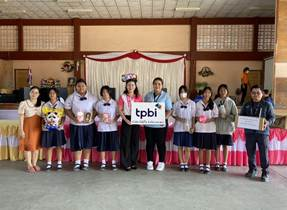
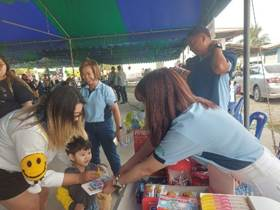
Additionally, the Company also implemented the project Won To School an activity that provides knowledge on proper waste separation and environmental management to students in several educational institutions in Rayong Province, including Rayong Self-Help Settlement School 4, Rayong Technical College, and IRPC Technology College. The aim is to make youth aware of the impacts of improper waste disposal, which can cause pollution in soil, water, and air, aligning with the Company's sustainability strategy to foster environmental consciousness in the new generation.
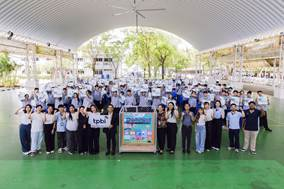
Furthermore, the results from the Won to School project demonstrate tangible skill development. Specifically, participating students in educational institutions can identify types of recyclable plastics, correctly separate stretchable plastic waste, and understand the principles of the circular economy in daily life. These skills are also passed on to families through students acting as "environmental ambassadors" in their households, creating sustainable behavioral changes at the community level.
Promoting opportunities and assisting vulnerable groups
The Company prioritizes creating opportunities and reducing social inequality. In 2025, it implemented the project "Old Calendars, We Request" collected old calendars from employees and forwarded them to the Sam Phran Vocational Training Center for Blind Women, to be used in producing learning materials for visually impaired persons. This activity reflects the concept of a Circular Economy, which reuses resources for maximum benefit, while also creating social value for persons with disabilities in the community.

Throughout 2025, the Company also responded rapidly and continuously to emergency situations and disasters. When tensions arose along the Thai-Cambodian border, the Company provided continuous assistance to the public and medical personnel in the area in two phases. In early August 2025, the Company donated 10,000 large garbage bags to the Ministry of Interior for distribution to affected residents in four border provinces: Ubon Ratchathani, Surin, Sisaket, and Buriram, supporting hygiene and environmental management in temporary shelters and public areas. Then, in mid-August 2025, the Company, in collaboration with the Thai Plastic Industries Association, donated over 10,000 garbage bags and zip bags to Kantaralak Hospital in Sisaket Province, a central hospital in the critical area, to support the hygienic and safe management of infectious and general waste, accommodating the care of over 300 patients and injured individuals requiring urgent transfer and treatment.
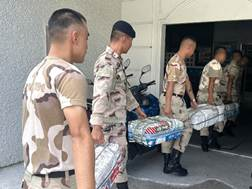
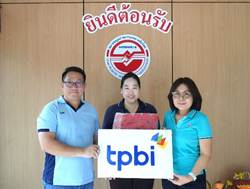
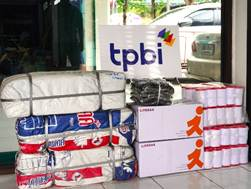
During the same period, when a major flood occurred in the southern region, the Company promptly delivered over 50,000 LifeHak garbage bags to support waste management and maintain cleanliness in the affected areas. Assistance was distributed through various agencies, including the Flood Relief Operations Center in the Southern Region at Phra Pathom Chedi, the Central Rayong Flood Relief Donation Center, the Federation of Thai Industries' "Thai Hearts to the South" project, and directly to Hat Yai Hospital through collaboration with Thailand Post. Furthermore, the Company continuously collaborated with requesting government agencies, private sector organizations, and civil society organizations to ensure that aid reached critical areas as quickly as possible.
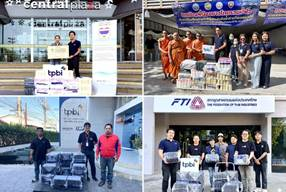
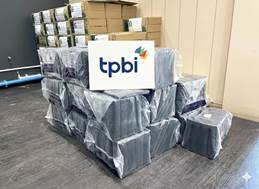
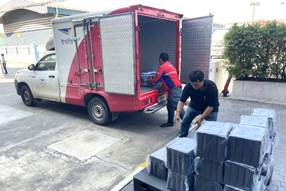
The operations throughout 2025 reflect the Company's commitment to standing by society during all difficult times and its dedication to creating sustainable shared value for the community.
Quality of Life Development and Career Promotion
The Company aims to comprehensively promote the quality of life for employees and the community. In 2025, it organized activities "TPBI Sharing Happiness Market" to provide a platform for employees, persons with disabilities, and their families to generate supplementary income outside of work hours. This year, the project saw over 80,000 Baht in circulation, reflecting its success in promoting grassroots economy and creating career opportunities for vulnerable groups in health.
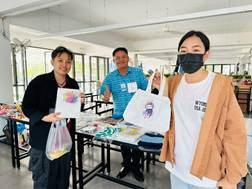

The Company organized activities Blood Donation in collaboration with the Thai Red Cross Society and Rayong Hospital twice a year, in January and September. These events were held at the Company's premises to facilitate employee participation. This activity not only benefits employees' health but also supports the public health system and fosters a culture of giving within the organization.
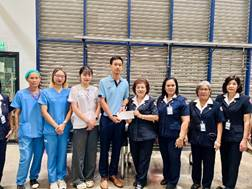

Environmental and Natural Resources
The Company recognizes the importance of conserving natural resources and ecosystems in the community, and has organized activities " "TPBI employees unite for environmental care" at Rayong Botanic Garden, Klaeng District, Rayong Province, to increase aquatic animal populations in the ecosystem, eliminate local pests, and create livelihoods for local residents. This activity reflects the Company's commitment to preserving biodiversity and creating ecological balance in the community, aligning with the Company's long-term environmental goals.
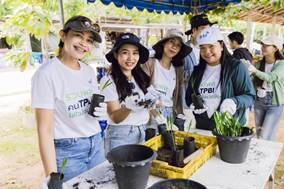

Religious and Cultural Aspects
The Company emphasizes preserving the good traditions and culture of the community. In 2025, it organized activities Offering Buddhist Lent Candles at three temples in Rayong Province: Wat Khao Kaelae, Wat Noppakao, and Wat Charoensrirat, to promote employee participation in religious and cultural activities, and to strengthen good relationships between the Company and local communities.
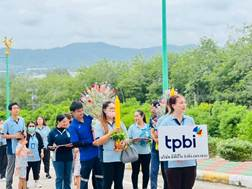
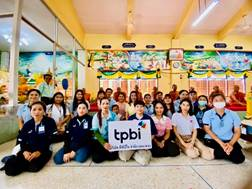
All Company activities in 2025 reflect its commitment to conducting business with social and environmental responsibility, encompassing all dimensions of E (Environment), S (Social), and G (Governance) in accordance with ESG principles, to create sustainable shared value for all stakeholders.
Other Social Management
Plan & Outcomes — Description
Sustainable Value Chain Management
The Company recognizes that the entire supply chain, from upstream to downstream, is crucial for business operations. Therefore, it prioritizes creating sustainable value for its partners, starting from selecting partners with the potential to operate ethically, professionally, and with readiness to adapt to changes affecting sustainability. The Company has established a comprehensive risk management process covering environmental, social, and governance (ESG) aspects throughout the supply chain. It has also developed the TPBI Supplier Sustainable Code of Conduct and the TPBI Purchaser Code of Conduct to ensure strict adherence by both partners and employees, covering business ethics, human rights, safety, occupational health, and environmental issues.
Transparent and Sustainable Procurement
The Company conducts procurement based on four principles: Value for Money, Integrity & Transparency, Efficiency and Effectiveness, and Accountability. It provides fair opportunities for all partners to compete, not solely relying on the lowest price as the deciding factor, but considering the Value Score, which encompasses quality, technology, environmental, and financial factors. The results of all selection considerations are reported to management and/or the procurement committee for acknowledgment, ensuring transparency and verifiability at every step.
Furthermore, the Company has integrated Sustainable Procurement principles into its partner selection process by incorporating environmental, social, and governance criteria as part of the scoring, including:
Environmental: Supporting environmentally responsible partners, minimizing resource impact on the environment, protecting biodiversity, and participating in the fight against climate change, such as partners certified with ISO 14001.
Social: Prioritizing human rights, opposing illegal labor, caring for the quality of life of workers, and considering labor standards obtained by partners, such as Thai Labor Standard (TLS), ISO 45001, Sedex, and BSCI.
Governance: anti-bribery and anti-corruption in all cases (Business Ethics & Anti-Corruption), including sustainable shared economic growth.
The Company assesses 100% of new partners using sustainability criteria.
Partner Selection and Assessment
The Company systematically analyzes the importance and assesses the risks of partners through a 4-step process, which includes spend analysis, ESG Risk Assessment, Critical Analysis of partners, categorizing partners into 4 groups based on risk and importance: Partner / Leverage / Risk / Shop, and the development of mitigation measures. Impacts (Mitigation Measures) Partners in the High Risk Tier group must undergo annual inspections, including site visits and interviews with executives and employees. Plans and operational guidelines are established to mitigate potential risks, ensuring that operations do not negatively impact the business, community, and environment.
Partner Capability Development and Enhancement for Sustainability
The Company continuously promotes and develops its partners through joint business planning, knowledge transfer via various training activities, and the implementation of partner capability development projects, such as the BRC standard development project and ISO quality management system improvement. Additionally, annual site visits to partners' establishments are conducted to review performance and compliance with relevant standards, covering all three dimensions of sustainability: environmental, social, and economic/governance. This also includes exchanging experiences and receiving feedback to continuously enhance capabilities together.
In 2025, the Company expanded the scope of partner development to cover governance dimensions more extensively by organizing an online training course on "Anti-Corruption" specifically for partners, focusing on building understanding of anti-corruption policies and practices, prohibiting giving or receiving bribes in all forms, and guidelines for transparent and verifiable business operations, which aligns with the Company's TPBI Supplier Sustainable Code of Conduct and concretely extends the culture of integrity throughout the Company's supply chain.
Performance of Sustainable Value Chain Management in 2025
In 2025, the Company achieved all targets for sustainable partner management as follows:
Indicators | Target | Performance Results |
Communication of Supplier Code of Conduct (Supplier CoC) covering partners in AVL | 100% | 100% |
Partner Capability Development Project (ISO 9001) | 1 Project | 1 Project |
Onsite Partner Assessment | 12 entities | 12 entities |
ESG Risk Assessment of Partners | 80% | 80% |
In 2025, the Company conducted onsite assessments for 12 partners, covering evaluations of production quality, environmental management, and adherence to social principles such as employee safety and appropriate working conditions. The assessment results found no significant non-compliance issues, and all partners passed the Company's specified evaluation criteria. Additionally, the Company continued its ISO 9001 standard development project with partners and initiated an online anti-corruption training course for partners for the first time this year, reflecting its commitment to concretely and sustainably elevating governance standards throughout the value chain.
Law Violation Incidents
Law Violation Incidents
| Metric | Current Year | Previous Year | Two Years Ago |
|---|---|---|---|
| The total number of cases or incidents of significant violations of laws or regulations regarding social and human rights (Cases) | 0 | 0 | 0 |
| The total number of cases or incidents that cause significant labor disputes (Cases) | 0 | 0 | 0 |
| The total number of cases or complaints related to consumer rights violations (Cases) | 0 | 0 | 0 |
| The total number of cases or complaints related to partner rights violations (Cases) | 0 | 0 | 0 |
| The total number of cases or incidents that cause disputes with the community/society (Cases) | 0 | 0 | 0 |
| The total number of cases or incidents related to cyber security or customer data breaches (Cases) | 0 | 0 | 0 |
| The total number of cases or incidents related to safety and occupational health at work (Cases) | 0 | 0 |